What Does Lead Paint Look Like?
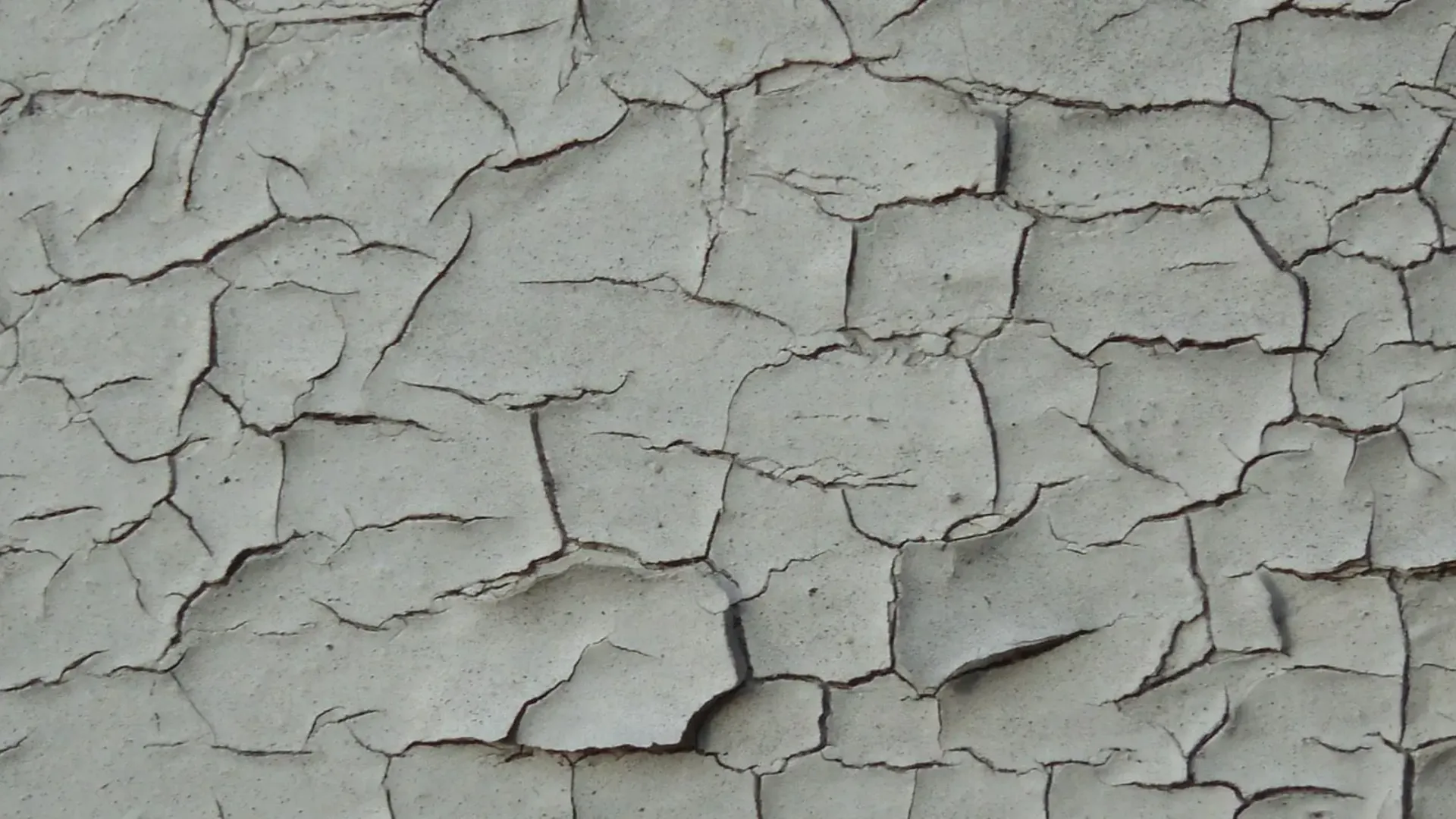
Lead paint usually looks like old, thick, cracking paint that may peel in “scales” or chips, but you cannot know for sure just by looking at it and should rely on testing to confirm it.
According to
JSE Labs, it often shows “alligatoring,” a scaly crack pattern, along with chalky residue. It is most common in homes built before 1978 and is dangerous mainly when it is damaged and creating dust or chips that people, especially children, can breathe in or swallow.
What is lead paint?
Lead paint is regular paint that has lead added to it to make it more durable and to help colors last longer. According to Wikipedia, it was widely used on walls, trim, doors, windows, and even exterior surfaces until it was banned for residential use in the United States in 1978 because lead is a powerful toxin that harms the brain and other organs.
The
CDC notes that lead dust and chips are especially risky for babies, young children, and pregnant women because they can cause serious long-term health problems.
What does lead paint look like?
Lead paint can be almost any color and can have different finishes, from dull and flat to thick and glossy, so color alone is not a clue.
One environmental testing guide explains that older lead paint often ages poorly and may show “alligatoring,” which means the surface cracks in a pattern that looks like reptile scales, along with peeling, chipping, and a chalky residue when rubbed.
However, newer non-lead paint can also crack and peel, so appearance can only suggest risk, not prove it.
What does lead paint look like on wood?
On wood trim, doors, frames, and railings, lead paint can look like thick, layered paint that chips or flakes, sometimes revealing many older colors underneath.
According to Green Orchard Group, it often shows heavy wear at edges and friction areas, like where doors and windows rub, with peeling or alligator-pattern cracking and dust or small chips building up on sills and floors.
A Reddit discussion on home improvement highlights that in some cases, lead from old coatings can soak slightly into the wood, so even if the surface looks like bare or stained wood, it can still be contaminated.
Where lead paint is usually found
Lead paint is most likely in homes or buildings built before 1978, especially those that have never had a full, professional renovation.
Common spots include window sills and frames, where opening and closing creates dust, and door frames, trim, stairs, railings, and porches, which get lots of rubbing and impact.
These “high-friction” or “high-impact” areas are more dangerous because they create more dust and chips as the paint wears down.
Signs that paint may contain lead
While appearance is not a perfect test, certain signs should raise your concern if they are on older surfaces: peeling, chipping, flaking, or bubbling paint; alligator-pattern cracking, where the paint surface looks like scales; and chalky dust on the surface or on nearby floors and window sills.
Alpha Environmental notes that if you see these signs in an older home, especially where children play, you should treat the area as potentially unsafe until it is tested.
Signs of lead paint poisoning
Lead poisoning often develops slowly and can be hard to spot because the symptoms can look like many other illnesses. In children, common warning signs can include learning problems, trouble paying attention, or behavior changes; tiredness, irritability, stomach pain, constipation, poor appetite, or slowed growth.
The CDC explains that in adults, symptoms may include headaches, high blood pressure, mood changes, joint or muscle pain, and fertility problems, and any unexplained symptoms plus a known lead source means getting a blood lead test.
How to check if paint is lead
There is no way to be 100% sure by sight, so testing is important if you think you have lead paint.
Home test kits use a swab that changes color when rubbed on a surface that contains lead, though they are not as reliable as professional tests, while certified professionals can take samples or use special devices for accurate results.
Local health departments or housing agencies often have information on low-cost or free testing for higher-risk households.
Why lead paint is dangerous
Lead is a neurotoxin, which means it harms the brain and nervous system even at low levels.
According to health experts, in children, it can permanently affect thinking, learning, behavior, and physical growth, and there is no completely safe level of lead in the body; in adults, long-term exposure can damage the kidneys, heart, and nervous system.
What NOT to do with suspected lead paint
If you think paint might contain lead, certain actions can make the situation more dangerous very quickly: avoid dry sanding, scraping, grinding, or using power tools without special protections; using heat guns or open flames to remove paint; and sweeping or vacuuming with a regular household vacuum.
Safer steps if you find lead paint
If testing confirms lead paint, how risky it is depends on its condition and location. Better approaches include leaving intact, well-painted areas in place but monitoring them regularly; using special “encapsulant” coatings to seal in lead; and hiring certified lead abatement professionals if paint is badly damaged or in high-risk areas.
*MJC Environment LLC provides professional lead paint inspection and testing services to help you identify potential hazards in your home or building and guide you on the safest next steps*
Everyday safety and cleaning tips
Even before full repairs, good cleaning habits can reduce exposure to lead dust: wet-mopping floors and wiping window sills with a damp cloth; washing children’s hands and toys often; and keeping kids and pets away from peeling paint until repaired.
FAQs
1. Can you tell if paint has lead just by looking at it?
No, you cannot be completely sure just by looking; many types of old paint crack and peel, so testing is needed to confirm lead.
2. What does lead paint look like on wood trim and windows?
It often looks thick and layered, with chipping, peeling, or alligator-pattern cracks, especially where the wood rubs or moves, and may leave dust or small chips on sills and nearby floors.
3. Is intact lead paint still dangerous?
Intact lead paint that is not on high-friction surfaces is generally less hazardous, but it can become dangerous if it starts to wear, crack, or is disturbed during repairs.
4. What are early signs of lead poisoning in children?
Common early signs include learning or behavior problems, tiredness, irritability, stomach issues, poor appetite, and slowed growth, but some children show no obvious symptoms, so testing is very important.
5. Who should I contact if I suspect lead paint at home?
Contact a doctor for a blood lead test (especially for children and pregnant people) and reach out to your local health department or a certified lead inspection company.