Does Asbestos Have a Smell? How to Identify It and What to Do
Can You Smell Asbestos?
Let’s get this out of the way first. Asbestos does not have a smell. You cannot detect it through your senses, which is why so many people unknowingly come into contact with it. There is no odor, no visible warning, and no immediate sign that something is wrong.
The real issue starts when asbestos-containing materials are disturbed. Once they are damaged, tiny fibers can get released into the air. These fibers are invisible, and that is what makes asbestos so dangerous in the first place.
Where Asbestos Is Usually Found
Asbestos was widely used in construction for decades because it was strong, cheap, and resistant to heat. That means it can still be found in many older buildings today, especially ones built before stricter regulations came into place.
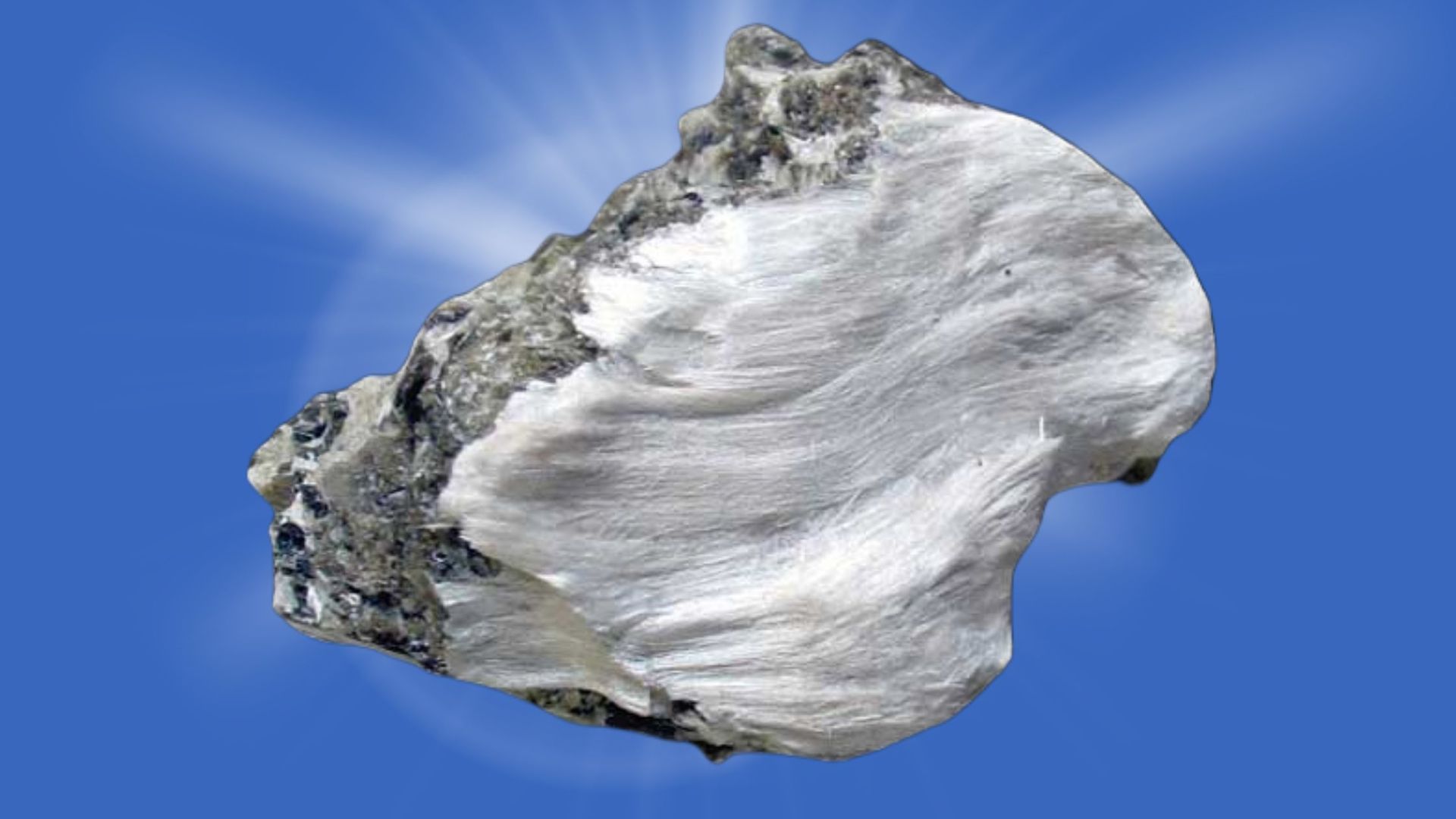
You will often find it in common building materials like ceiling tiles, pipe insulation, old vinyl flooring, roofing sheets, cement boards, and textured wall coatings. The tricky part is that these materials can look completely normal, even when they contain asbestos.
So instead of trying to “spot” it visually, it is more about understanding where it tends to exist and in what types of buildings.
Can You Actually Identify It Yourself?
This is where things get a little misunderstood. You cannot confirm asbestos just by looking at it. There is no visual marker that tells you for sure.
What you can do is look at risk clues. Older buildings are more likely to contain it. Certain materials like insulation and cement sheets are also more commonly associated with asbestos. And condition matters a lot. If a material is intact, the risk is lower. If it is damaged, cracked, or crumbling, the risk increases because fibers can escape into the air.
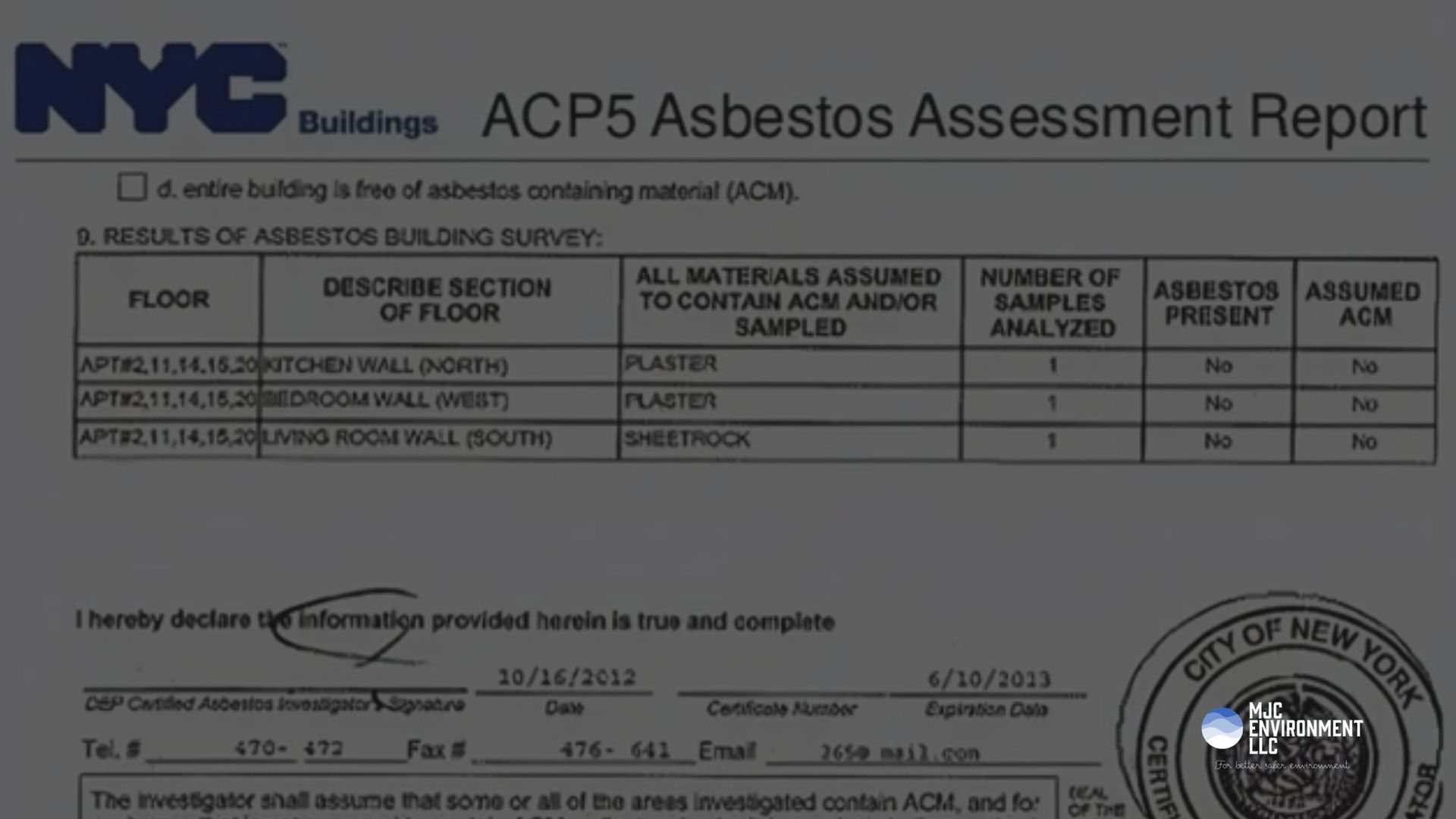
But even then, it is still not confirmation. The only reliable way to know is through professional testing in a lab.
Simple Way to Understand the Risk
Here is a quick visual breakdown to make it easier to understand how risk builds up:
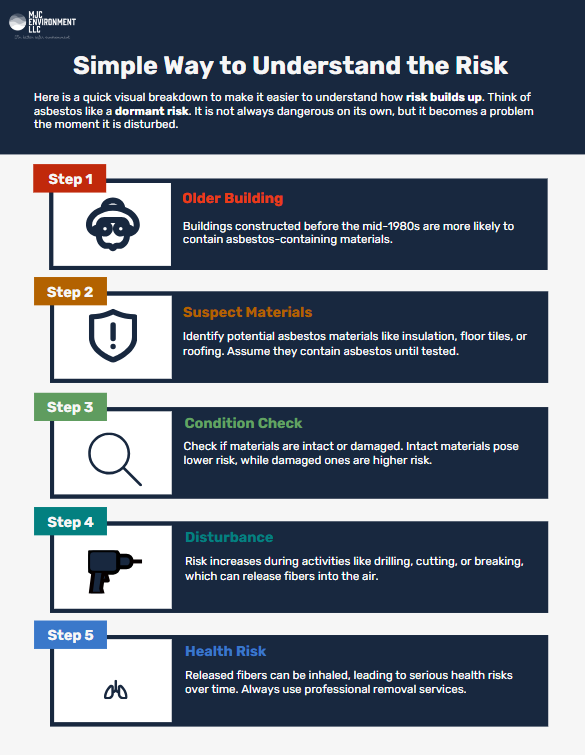
Think of asbestos like a dormant risk. It is not always dangerous on its own, but it becomes a problem the moment it is disturbed.
What You Should Do If You Suspect Asbestos
If you think something might contain asbestos, the most important thing is to not touch it. A lot of risk comes from people accidentally disturbing it while trying to inspect or fix it themselves.
Avoid drilling, sanding, cutting, or breaking the material. Even simple actions like sweeping dust can make things worse if fibers are present.
Instead, the safest step is to keep the area undisturbed and contact a certified asbestos professional. They can properly test the material and tell you exactly what you are dealing with. In some cases, it can be safely sealed. In others, it may need controlled removal by licensed experts.
Also read: How much is Asbestos Testing?
Why It Should Not Be Ignored
The reason asbestos is taken so seriously is because of its long-term health effects. When fibers are inhaled, they can stay in the lungs for years and lead to serious conditions like asbestosis, lung cancer, or mesothelioma.
The difficult part is that these conditions do not show up immediately. They can take decades to develop, which is why prevention and caution matter so much in the present moment.
Final Thoughts
Asbestos is not something you can smell, see clearly, or easily confirm on your own. That is what makes awareness so important, especially if you are dealing with older buildings or renovation work.
If something looks suspicious, the safest approach is always the same: do not disturb it, and get it checked by professionals. A little caution now can prevent serious problems later.