How Much Is Asbestos Testing? A Complete Guide to Costs in 2025
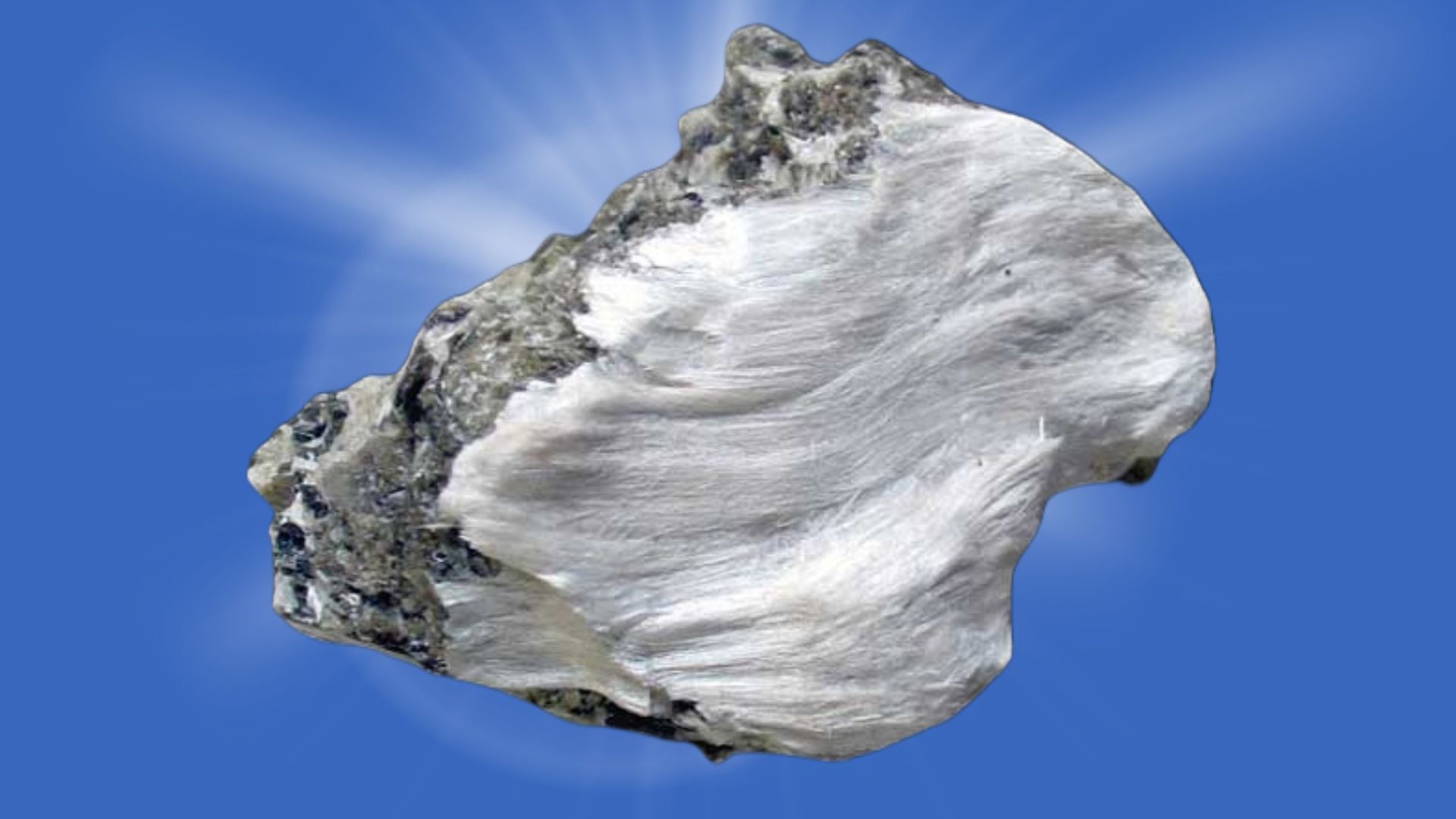
If you're a homeowner, renter, or property manager, you may be wondering about the cost of asbestos testing. Asbestos is a hazardous material once widely used in construction and building materials due to its durability and insulating properties. However, when disturbed or degraded, asbestos fibers become airborne and pose serious health risks such as lung cancer, mesothelioma, and asbestosis. Knowing whether asbestos is present before starting renovation or demolition is critical, and that begins with asbestos testing.
In this guide, we'll cover everything you need to know about asbestos testing costs in 2025, including typical price ranges, types of tests, factors influencing the cost, and tips to manage your budget while keeping your environment safe.
What Is Asbestos Testing?
Asbestos testing involves collecting samples of materials suspected to contain asbestos or taking air or dust samples within a property. These samples are then analyzed in specialized laboratories to confirm the presence and concentration of asbestos fibers. Testing helps determine if asbestos removal or containment is necessary.
Average Cost of Asbestos Testing
The cost of asbestos testing varies widely depending on the type of test, number of samples, and size of the area being tested. As of 2025, the average cost for an asbestos test in the United States is approximately $484. Costs can range from about $231 to $778 for most residential properties, with some cases costing as much as $1,000 or more for larger or more complex projects.
- Typical residential inspection: $225 to $600
- Airborne asbestos testing: $500 to $1,000+
- Dust sample testing: $120 to $180
- Physical sample testing (bulk material): $250 to $750
These figures reflect a national average including labor, lab analysis fees, and reporting.
Types of Asbestos Testing and Their Costs
1. Air Testing
Air testing measures asbestos fibers suspended in the air of your home or building. Specialized equipment collects air samples which are then analyzed to detect airborne asbestos particles. This type of test usually costs around $200 to $800, depending on the extent of sampling required and the size of the property.
2. Dust Sample Testing
Dust sampling involves collecting settled dust from surfaces inside the property. This dust may contain asbestos fibers if they have been released in the environment. Dust tests typically cost between $120 and $180 including labor and lab processing.
3. Physical (Bulk) Sample Testing
This is the most common type where actual materials suspected of containing asbestos—such as ceiling tiles, pipe insulation, floor tiles, or wall materials—are physically sampled and sent to a lab for analysis. Physical sample testing ranges from $250 to $750 depending on the number of samples collected and the difficulty of sample collection.
Factors That Affect Asbestos Testing Costs
Several factors contribute to the variation in asbestos testing prices, including:
1. Size and Complexity of the Area
Larger homes or buildings require more samples to ensure accurate testing, which increases labor and lab costs. Complex layouts or areas difficult to access may require more time and effort, adding to the cost.
2. Type of Testing
More sophisticated and accurate testing methods, such as Transmission Electron Microscopy (TEM), can cost more than standard Polarized Light Microscopy (PLM) testing. TEM is used for detailed fiber analysis, while PLM is a more common and less expensive method.
3. Number of Samples
More samples mean higher fees for lab analysis and fieldwork. For example, a typical residential inspection might include 2-3 samples, but larger projects require many more, which can significantly increase total costs.
4. Geographic Location
Pricing varies based on the local cost of living and availability of certified asbestos testing professionals. Urban areas and regions with higher operational costs tend to have more expensive testing services.
5. Urgency and Turnaround Time
If you require expedited testing and faster results, labs often charge a premium for rush services.
6. Sample Collection and Travel Fees
If you do not collect the samples yourself, the testing company may charge additional fees for collection and travel depending on the distance to the property.
Why Is Professional Asbestos Testing Important?
Testing asbestos yourself with kits might be cheaper, but it's risky and less reliable. Professionals follow strict safety standards during sample collection, preventing fiber release and ensuring proper identification. Moreover, trained inspectors can accurately identify materials that need testing, reducing unnecessary samples and overall costs.
What To Expect When Getting Asbestos Testing
- Scheduling an Inspection: A professional inspector visits your property to conduct a visual survey and collect samples from suspected materials.
- Sample Analysis: Samples are sent to an accredited laboratory for analysis, which usually takes 1-2 days.
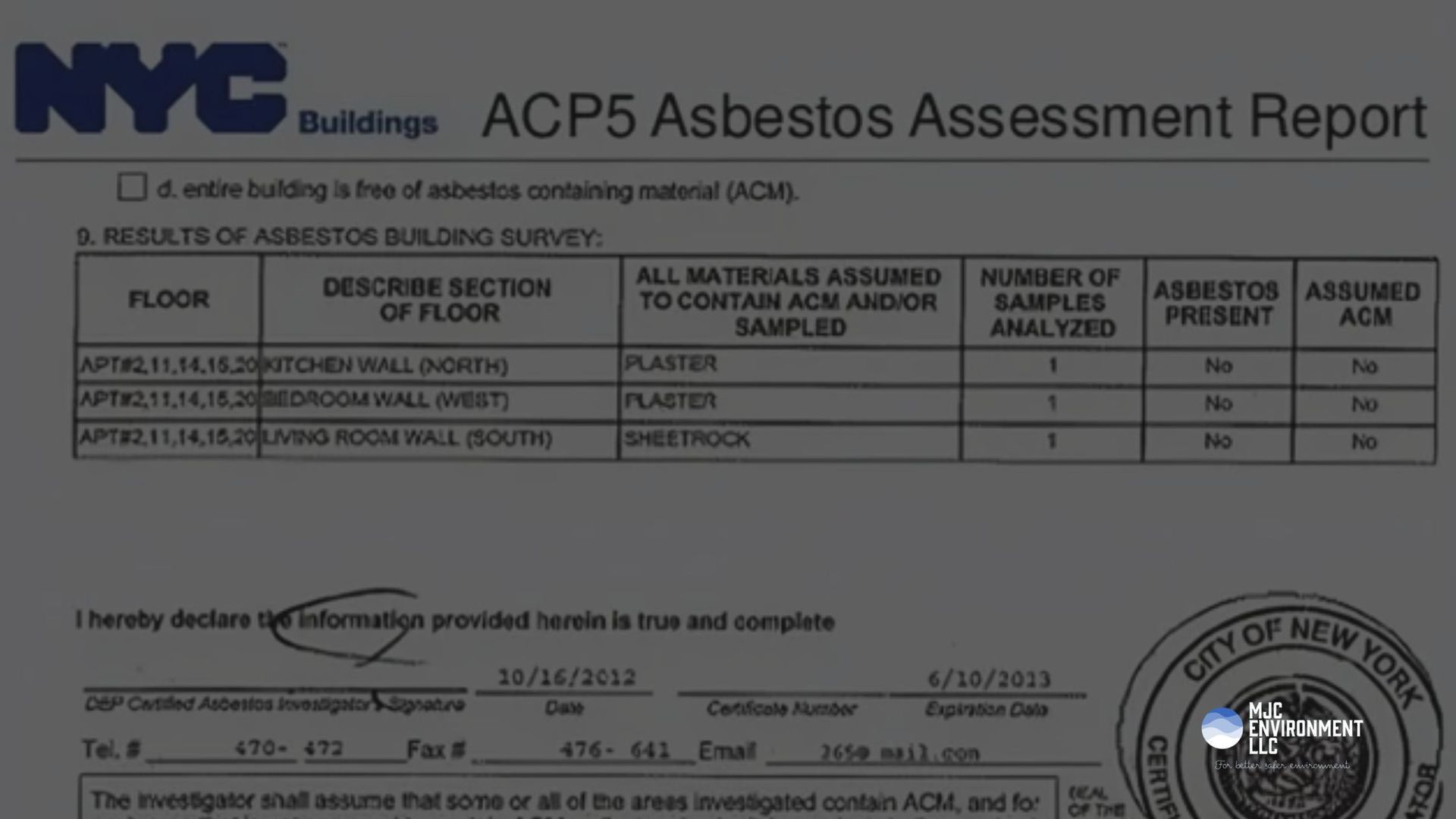
- Receiving Results: You'll get a detailed report indicating if asbestos is present, what type it is, and recommendations on next steps.
- Next Steps: If asbestos is found, you may need asbestos removal or encapsulation, which can range from a few hundred to several thousand dollars based on the extent of contamination.
How to Manage Asbestos Testing Costs
- Limit Testing Areas: Focus on areas with suspected asbestos to reduce sample numbers.
- Get Multiple Quotes: Prices can vary significantly, so compare a few certified asbestos testing companies.
- Plan Ahead: Avoid rush fees by scheduling testing early in your renovation or buying process.
- Consider DIY Kits Carefully: While cheaper kits are available, professional testing ensures safety and compliance with regulations.
Conclusion
The cost of asbestos testing in 2025 typically ranges from a few hundred to about one thousand dollars, depending on the testing method, size of your property, number of samples, and location. The average U.S. homeowner can expect to pay around $484 for thorough professional testing. While it might seem costly, asbestos testing is an essential step for protecting your health and safety, especially if your home was built before the 1980s.
Always rely on certified professionals to conduct asbestos testing to ensure accurate results and safe handling. After testing, if asbestos is confirmed, timely removal or management is crucial to prevent hazardous exposure.
This article aims to help you understand what influences asbestos testing costs and prepare you for the expenses involved in keeping your living environment safe. If you need help with asbestos testing professionals in your area, seek out certified experts who comply with local environmental and health regulations.
Get your property tested with confidence — we provide expert asbestos testing and removal services to keep you safe. Contact us today for a free estimate and protect your home or business from asbestos risks!