
Blogs
A mold inspection on average costs between $300 and $800 (small to medium houses), with the final price rising for larger apartments, and detailed lab analysis.

Tremolite asbestos is a dangerous type of asbestos that can appear in older building materials. You cannot confirm its by appearance alone. Learn more
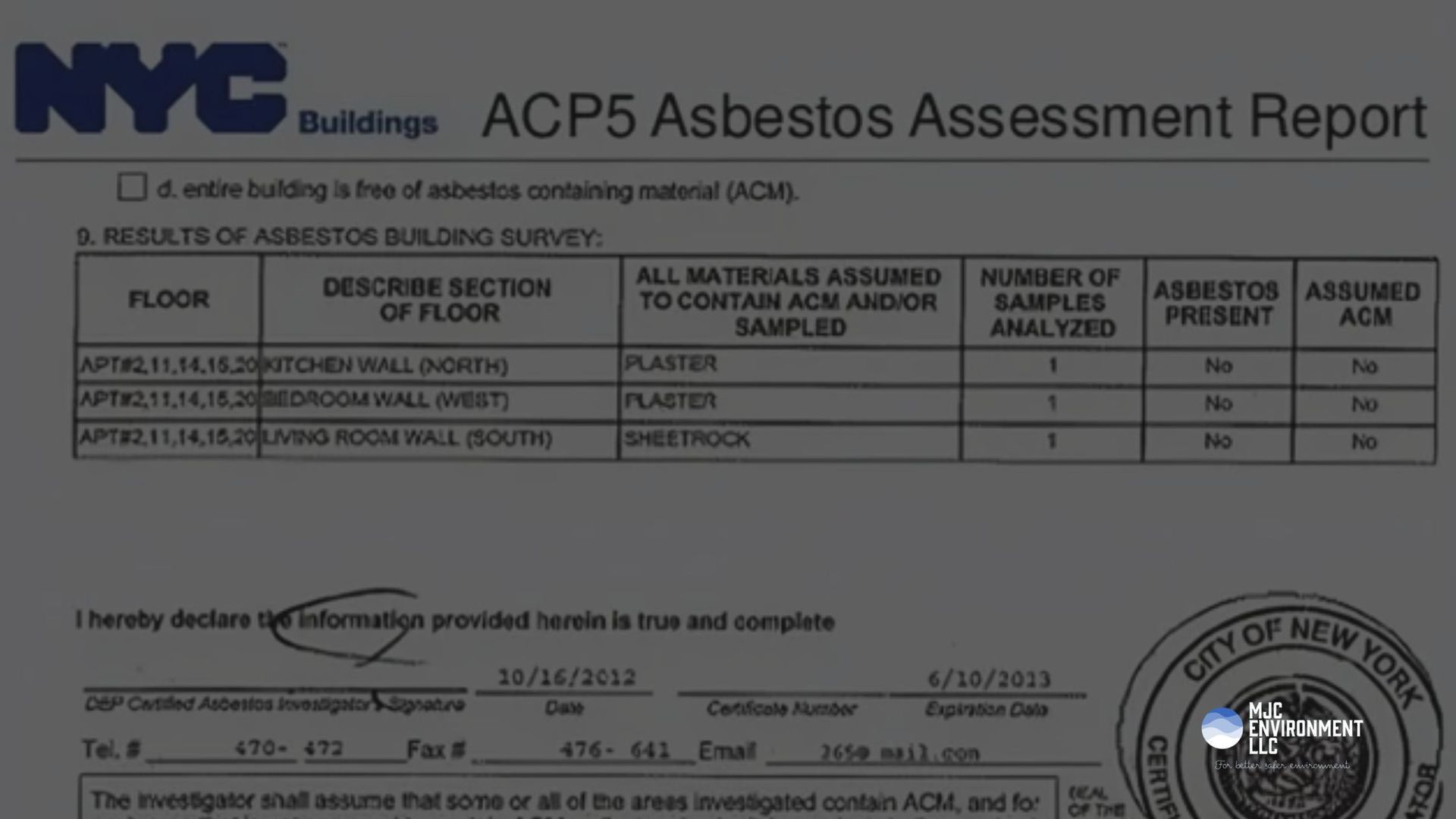
Learn everything about the ACP-5 certificate in New York — what it is, who needs it, the inspection process, and what happens if you skip it. Get expert help
Discover the best lead inspectors in New York. Top Ranked are: 1. MJC Environment LLC, 2. Lead Safe Technologies, 3. LeadFree NYC, 4. Argento Environmental, & more.
Asbestos does not have a smell. You cannot detect it through your senses, which is why so many people unknowingly come into contact with it. There is no such odor.

To encapsulate lead paint, you seal it in place with a special coating that keeps the lead dust and chips from getting loose, instead of stripping everything off.
Lead-based paint is paint that contains lead compounds as pigments or drying agents, which were widely used to make paint more durable and moisture resistant. When this paint deteriorates or is disturbed, it can create toxic dust and chips that pose serious health risks, especially to young children and pregnant women. If you’re wondering “how can I tell if paint is lead based” or “how to know if my house has lead paint,” the safest answer is that you can’t be 100% sure just by looking – you need proper testing, ideally by a certified professional . Why lead-based paint is a concern Lead-based paint is still found in millions of older homes and becomes dangerous when it peels, chips, or turns into dust, especially around windows, doors, stairs, and floors. Homes built before 1978 are more likely to contain lead-based paint because that’s when it was banned for residential use in the U.S. Lead dust and chips are a major source of exposure for young children, who may inhale dust or put contaminated hands or objects in their mouths. Even if everyone in the home feels fine, lead can still be present and causing harm without obvious symptoms. Clues your paint might contain lead These signs do not confirm lead, but they tell you it’s time to take the possibility seriously and consider testing: Age of the building: If your home or apartment was built before 1978, there may be lead-based paint somewhere in the structure. Location of the paint: High-friction and high-impact areas (window frames, sashes, doors and trim, stairs, railings, and floors) are common sources of lead dust when old paint wears down. Condition of the paint: Peeling, chipping, cracking, or “alligatoring” (paint that looks like reptile scales as it wrinkles and splits) is a classic red flag in older homes. Layers of old paint: Multiple thick layers of old paint on wood trim, doors, and windows in an older property may include at least one lead-based layer. These clues alone aren’t enough to say “yes, this is lead,” but they are strong reasons to get a proper inspection. Reliable ways to tell if paint is lead-based To truly answer “how can I tell if paint is lead based,” you need one of the following testing methods: EPA-recognized home test kits Available at hardware stores; you apply a chemical solution or swab to a small area of paint and watch for a color change indicating lead. Only use kits that are EPA-recognized, and follow the instructions closely for more reliable results. These kits can be a useful screening tool, but they are not as thorough as a professional inspection. XRF (X-ray fluorescence) inspection by a certified professional An EPA-certified lead inspector uses a handheld XRF device to scan painted surfaces and measure lead content without damaging your walls. XRF testing is fast, noninvasive, and considered one of the most reliable ways to determine whether paint is lead-based. As per Hud.gov , This method is commonly used in New York City and other jurisdictions to meet local and federal requirements. Laboratory analysis of paint samples A small paint chip is carefully collected and sent to a certified laboratory that analyzes the sample for lead content. Lab testing is highly accurate but slower and may require a professional to collect samples safely so you don’t create unnecessary dust. According to CDC , lead paint inspection tells you which surfaces contain lead, while a risk assessment focuses on whether you have actual hazards like peeling paint and lead-contaminated dust – many homeowners choose to do both. For residents in the New York/New Jersey area, MJC offers professional lead paint inspections using approved methods:
To remove lead paint safely, confirm via testing, then seal with encapsulation, cover via enclosure, or professionally abate while controlling dust spread.
Lead-based paint stopped being used in U.S. homes after it was banned in 1978; if your home was built before 1978, assume it may contain lead paint and get it professionally tested.
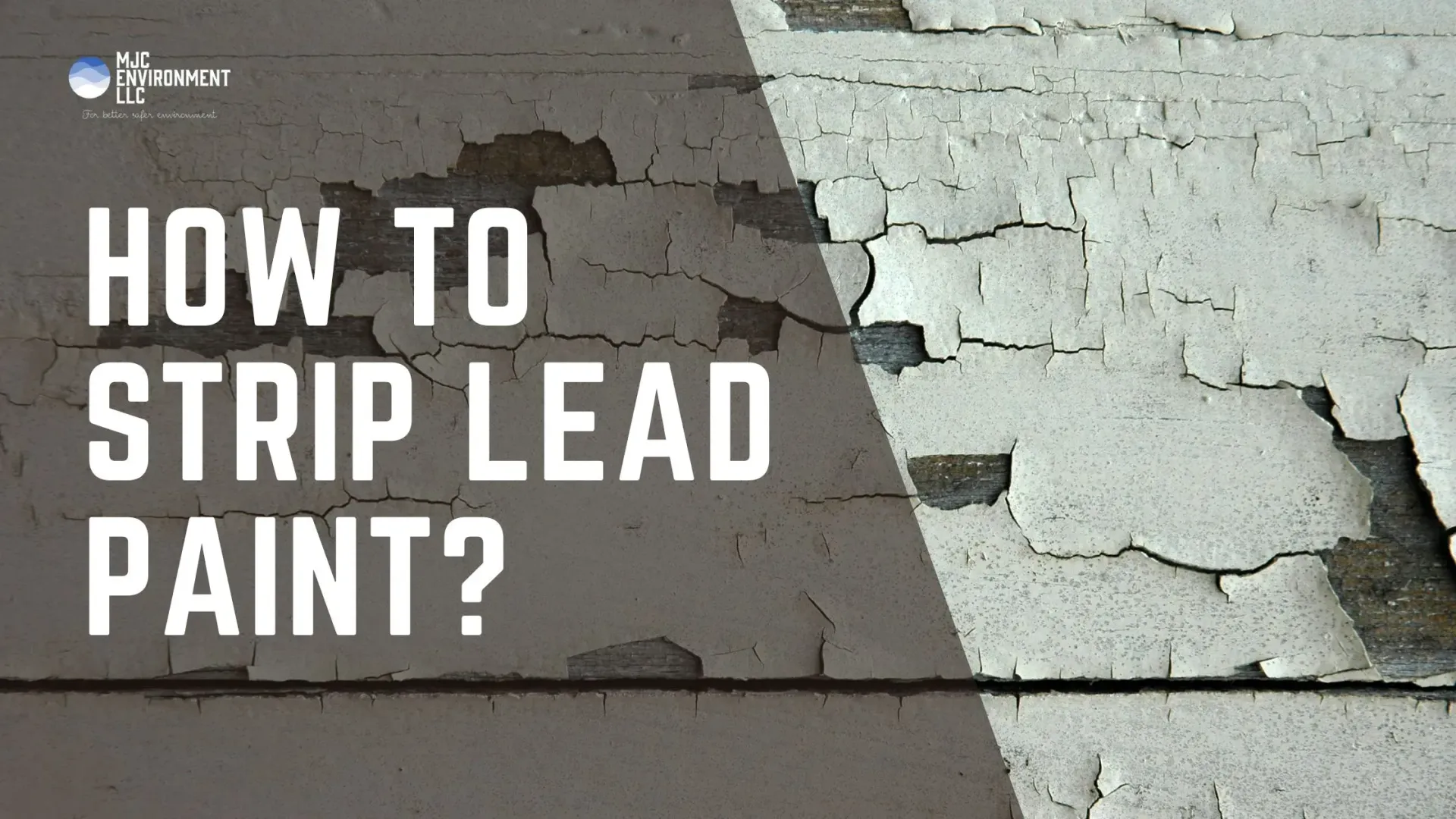
To strip a lead paint, Use a chemical lead‑safe stripper or wet scraping method with full protection and containment, avoiding heat or sanding to prevent toxic dust.