What Does Asbestos Look Like? A Comprehensive Guide
What Is Asbestos?
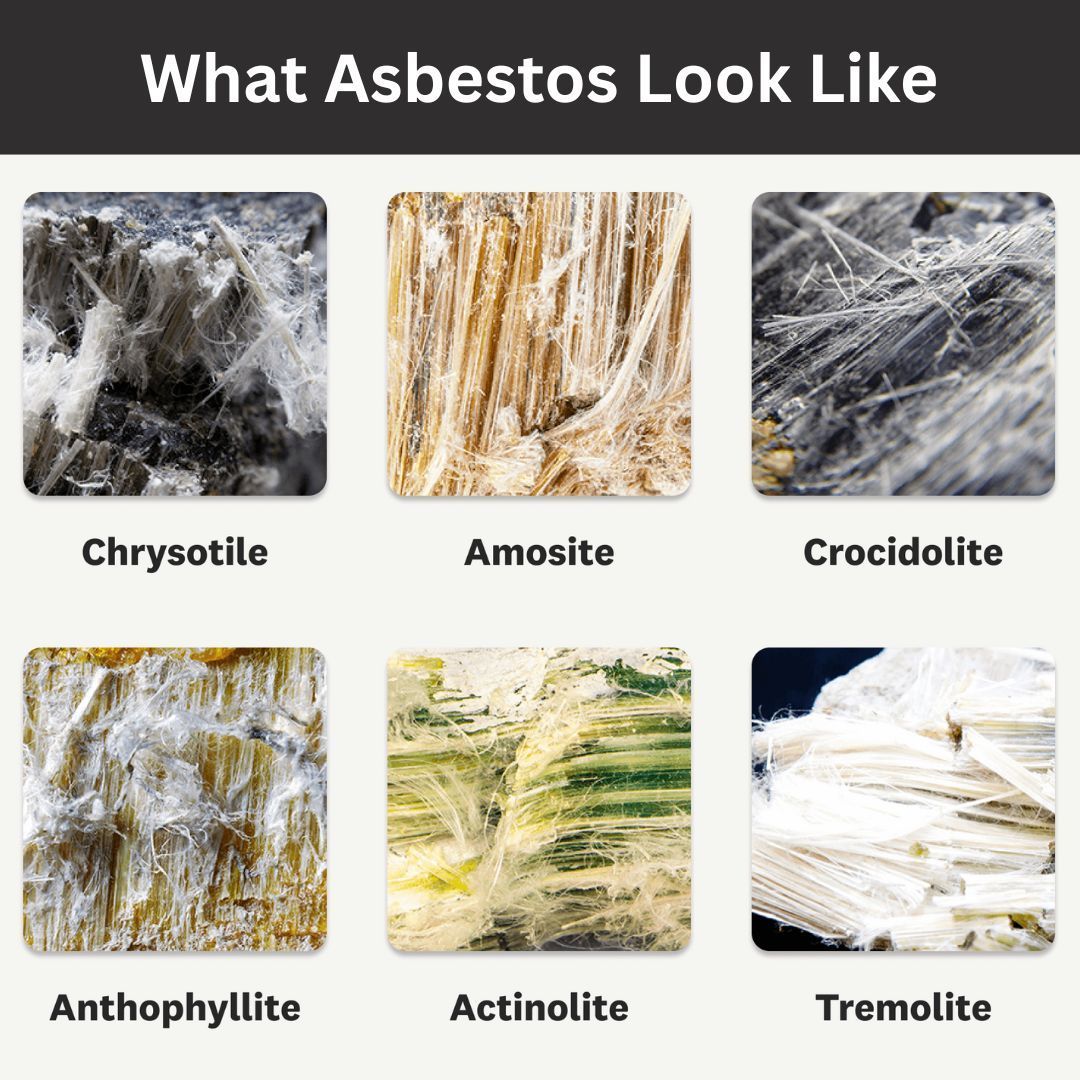
Asbestos is the name for a group of six naturally occurring minerals made up of microscopic fibers. Celebrated for its durability, heat resistance, and ability to withstand chemicals, asbestos was once widely used in various industries, especially construction. The most common types include chrysotile (white), amosite (brown), and crocidolite (blue), but others like tremolite, actinolite, and anthophyllite exist as well.
From the 1940s through the late 1970s, asbestos found its way into thousands of products, from insulation and cement to ceiling tiles and flooring. Unfortunately, this affordability and versatility concealed significant health risks: when asbestos fibers become airborne and are inhaled, they can cause severe respiratory diseases, including asbestosis, lung cancer, and mesothelioma.
What Does Asbestos Look Like?
The Challenge of Visual Identification
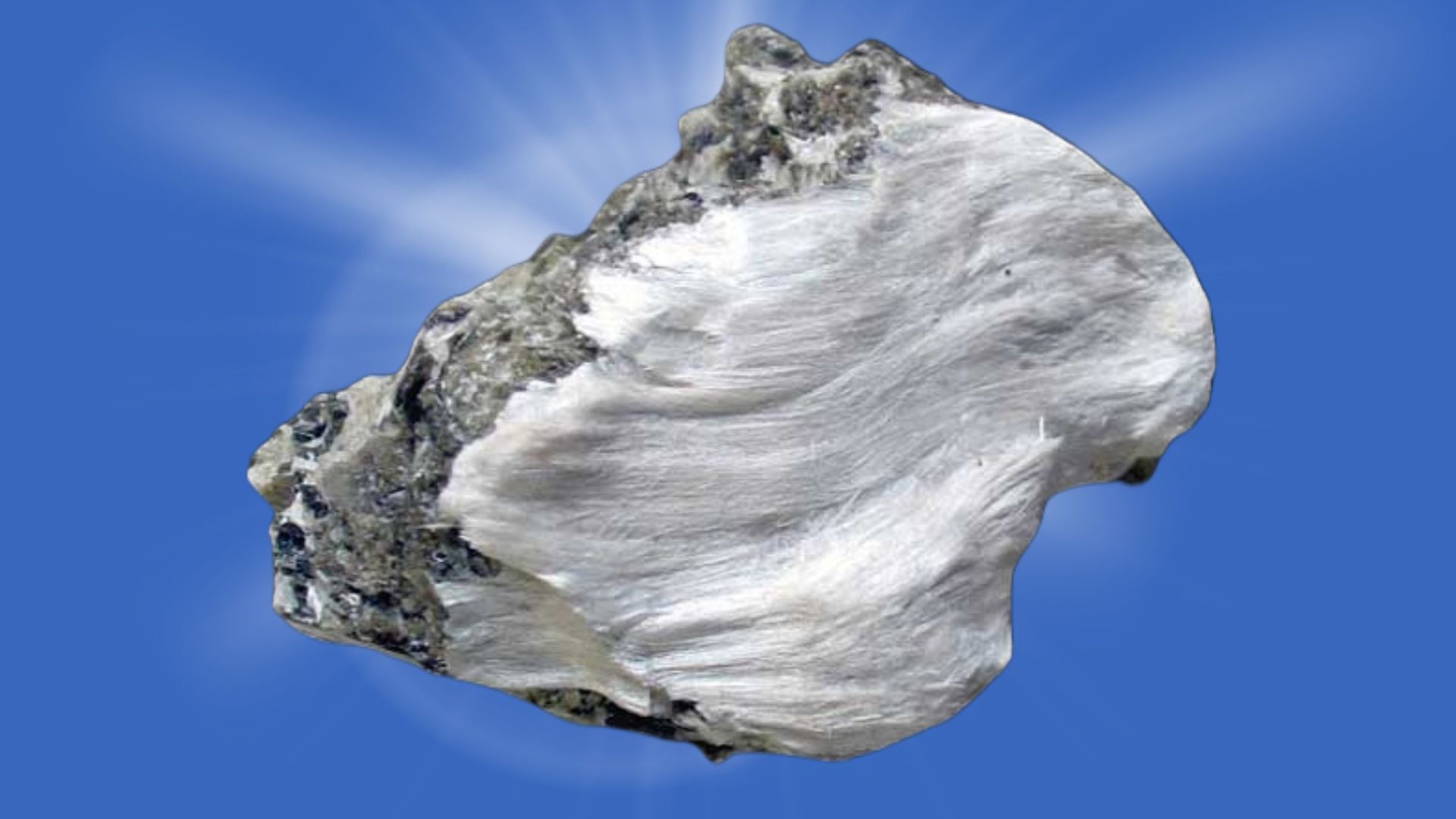
Recognizing asbestos by sight is notoriously difficult. In its natural form, asbestos looks like long, thin, fibrous crystals embedded in rock. But in the home or workplace, it is usually combined with other materials, obscuring its true appearance. The fibers themselves are so microscopic that they can’t be seen by the naked eye, though groups of fibers or the materials containing them might offer clues.
Raw Asbestos
In its raw state, asbestos may resemble a loose, fluffy material, often gray, gray-brown, or blue in color. Clumps can separate into strings or bunches, revealing the fibrous nature of the material:
- Chrysotile (white asbestos): Curly white fibers in a layered structure.
- Amosite (brown asbestos): Straight, brownish fibers.
- Crocidolite (blue asbestos): Blueish, straight fibers, often regarded as the most dangerous form.
Common Visual Clues in Building Materials
Asbestos is rarely seen in its raw form within homes or offices. Instead, it is hidden within construction materials. Here are some ways it may appear:
- Fibrous Material: Materials may have a visibly stringy or fibrous texture, almost like frayed fabric.
- Wavy Patterns and Textures: Asbestos cement products (like siding) may feature wavy or wood grain patterns.
- Chalky or Dusty Appearance: Some older materials feel dense and may leave a chalky residue when handled.
- Color: Colors range from white or gray (chrysotile), brown (amosite), to blue (crocidolite), though age and exposure may alter the original hue.
Examples in Specific Locations
1. Walls and Ceilings: Sprayed coatings, textured paint (“popcorn” ceilings), and some paneling may contain asbestos. The appearance tends to be rough, textured, or pebbly, sometimes with visible fibers or dusty patches.
2. Attic Insulation: Vermiculite insulation, often mined from contaminated sources, looks like small, loose pebbles or granules, often light or dark brown, glittery, and lightweight.
3. Flooring: Vinyl floor tiles, sheet flooring, and adhesives made before the 1980s could contain asbestos. Older tiles may look brittle, with a dull finish and possible backing that’s paper-like or fibrous. Some floor tiles may even look like regular linoleum but have asbestos underneath.
4. Roofing, Siding, and Cement: Corrugated roofing sheets, shingles, or wall siding may contain asbestos mixed into cement. These panels are often grayish, rigid, and sometimes show fibrous breaks on the edges or a chalky texture.
5. Pipe and Boiler Insulation: White or gray “lagging” that looks like plaster, felt, or cardboard, sometimes with visible fibers poking out, often indicates asbestos.
Why Is Identifying Asbestos Important?
Exposure to disturbed asbestos can have profound health consequences. Although the use of asbestos has sharply declined and is banned in many countries, older buildings—particularly those erected before 1980—may still harbor these dangerous materials.
Important:
Asbestos can only be positively identified by laboratory analysis. If you suspect its presence in your home, the safest course of action is to contact a licensed asbestos professional for inspection and testing.
Common Places to Find Asbestos
| Location/Material | Description/Evidence |
|---|---|
| Attic Insulation | Loose, pebble-like vermiculite; light to dark brown |
| Wall & Ceiling Coatings | Rough, textured (“popcorn”), chalky or fibrous |
| Floor Tiles/Adhesives | Brittle, dull, 9x9 inch tiles; paper/fibrous backs |
| Siding/Cement Roofing | Gray cement sheets, wavy or wood grain, chalky/fibrous edges |
| Pipe/Boiler Insulation | White/gray felt, cardboard, or plaster-like, sometimes with fibers |
| Gaskets, Appliances | Dense, fibrous stuffing or heat-resistant mats |
Health Risks Associated with Asbestos
- Asbestosis: Scarring of the lungs from inhaled fibers.
- Lung cancer: Major risk for those exposed over time.
- Mesothelioma: Rare, aggressive cancer linked almost exclusively to asbestos exposure.
- Other risks include cancers of the larynx, ovary, stomach, and more.
Even short-term exposure can cause long-term damage. Modern construction avoids asbestos, but some imported goods and vintage products may still contain it.
Frequently Asked Questions
Can I visually confirm asbestos on my own?
No. While certain clues might raise suspicion, only specialized laboratory analysis can confirm the presence of asbestos in materials.
Is asbestos only dangerous when disturbed?
Yes. Encapsulated asbestos poses little risk unless it crumbles, cracks, or is removed improperly. Disturbing asbestos releases fibers into the air, increasing inhalation risks.
What should I do if I suspect asbestos in my home?
Do not touch or disturb the material. Contact a licensed asbestos professional to conduct proper sampling and removal if needed.
Are modern homes still built with asbestos?
Asbestos use has sharply declined, and many countries have strict bans. However, homes built before the 1980s are at risk, especially if original materials remain.
What is friable versus non-friable asbestos?
- Friable asbestos: Easily crumbled by hand, releases fibers easily (e.g., sprayed insulation).
- Non-friable asbestos: Mixed with other materials and less likely to release fibers unless damaged (e.g., cement tiles).
Where else might asbestos be hiding?
Asbestos was used in gaskets, adhesives, electrical wiring insulation, automotive parts, and vintage consumer goods—almost anywhere heat or fire resistance was needed.
Conclusion
Asbestos is a silent hazard woven into the fabric of older buildings around the world. While you might spot hints—fibers, patterns, chalky residue—its true danger lies unseen. If you live or work in a building built before the 1980s and encounter suspicious material, always err on the side of caution: consult specialists for inspection and removal.
Safeguarding your health (and your family's future) depends on vigilance, respect for the hazards, and reliance on professionals for detection and disposal.