How Do You Know If Popcorn Ceiling Has Asbestos? - A Detailed Guide
Popcorn ceilings, a hallmark of mid-20th-century homes, often raise health concerns due to the potential presence of asbestos. This textured ceiling style was widely used for its fire resistance, acoustic benefits, and ability to conceal imperfections. However,
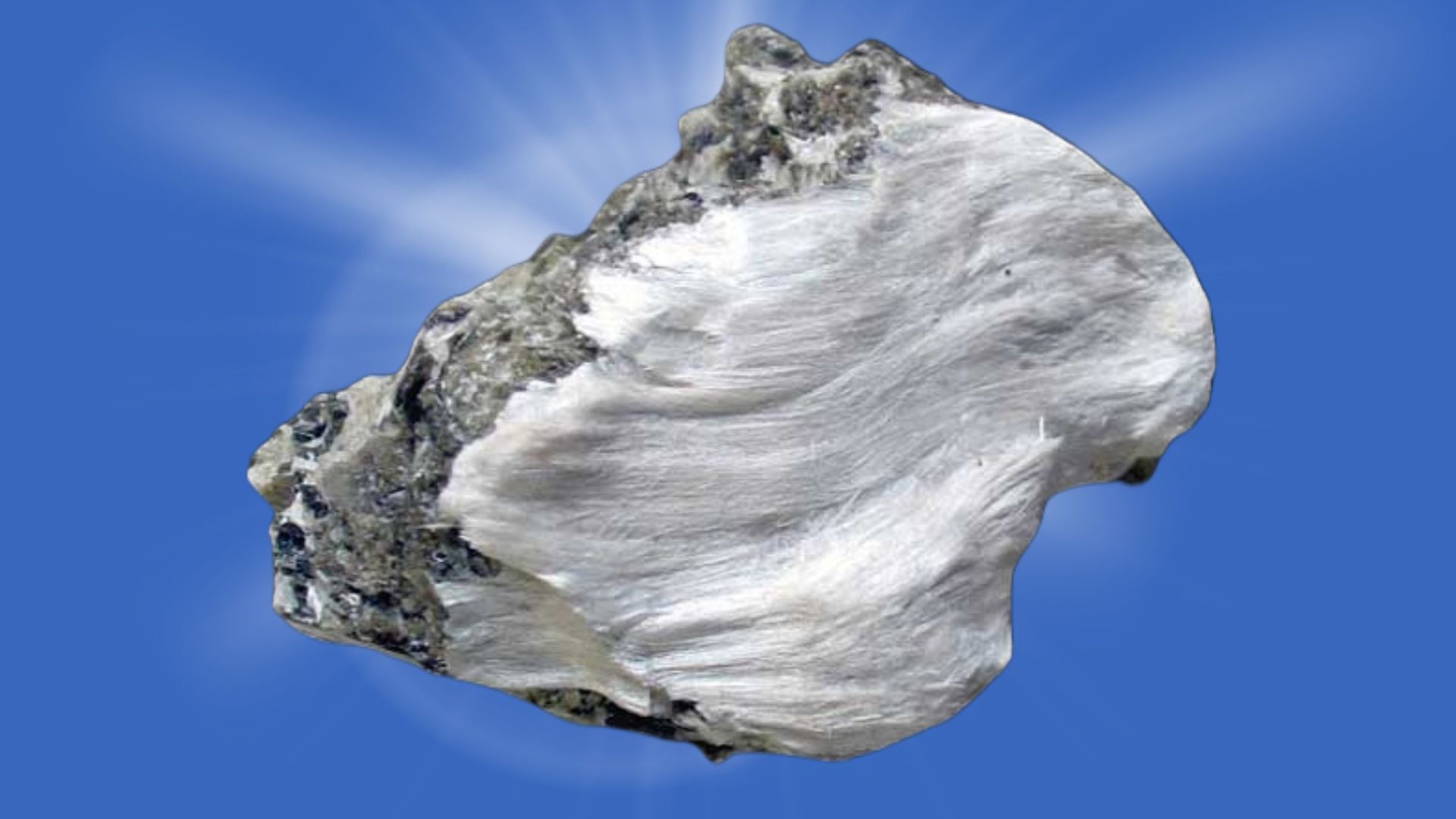
asbestos, the mineral added for its durability and fireproofing is now known to pose serious health risks when disturbed. Here’s an in depth guide to understanding asbestos in popcorn ceilings, covering key questions like the likelihood of asbestos presence, its history, how to identify it, and safe ways to manage or remove it.
Do All Popcorn Ceilings Have Asbestos?
Not all popcorn ceilings contain asbestos, but a significant number do, especially in homes built before the mid-1980s. While popcorn ceilings were popular from the 1950s through the 1980s, asbestos was a common additive during much of this period because of its fire-retardant and strengthening properties. Popcorn ceilings installed after the asbestos bans and phase-outs in the late 1970s and 1980s generally do not contain asbestos.
For example, popcorn ceilings applied before 1980 can contain between 1% to 10% asbestos content. However, those installed in the early 1980s may still have asbestos because manufacturers were allowed to use existing stockpiles after bans were enacted. After the mid-1980s to 1990, asbestos use in these materials became very rare or nonexistent. Therefore, popcorn ceilings installed after that time are very unlikely to contain asbestos.
Likelihood of Asbestos in Popcorn Ceilings
If your home or building was constructed or renovated before 1985, there’s a high likelihood that popcorn ceilings contain asbestos. Some estimates place the chance at around 45% to 70% for homes with ceilings from that era. This percentage decreases significantly for homes built after 1985.
Even if
asbestos is present, there is generally no immediate danger as long as the ceiling material is intact and undisturbed. The risk arises when the textured surface becomes damaged, crumbled, sanded, or otherwise disturbed, releasing asbestos fibers into the air. Once inhaled, these fibers can cause severe respiratory issues and cancers.
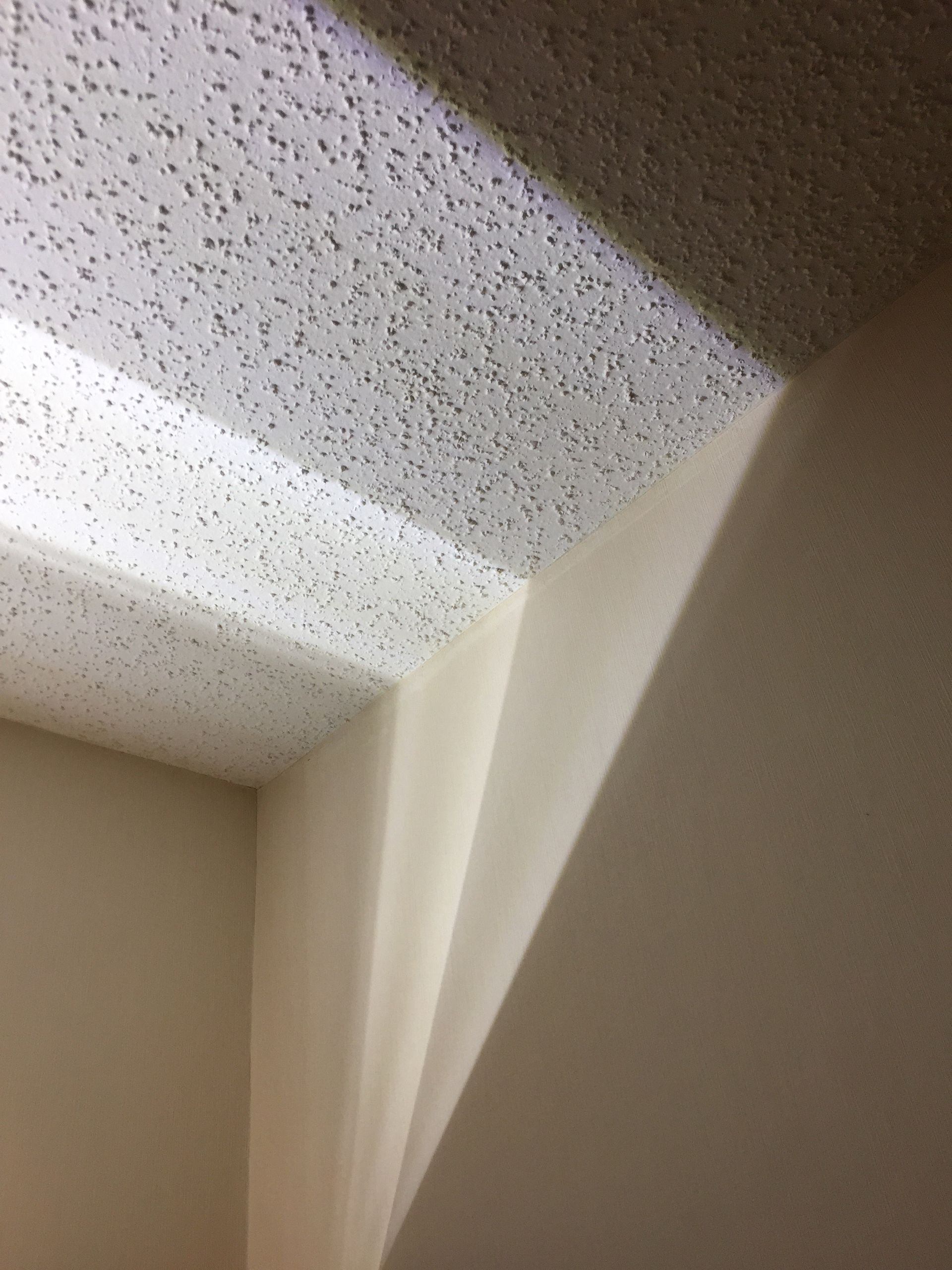
When Was Asbestos Used in Popcorn Ceilings?
Asbestos first started being added to popcorn ceilings in the late 1950s. Its use peaked between the 1960s and the late 1970s due to its affordability, fire resistance, and durability. The U.S. Consumer Product Safety Commission began regulating asbestos use in 1978, leading to a sharp decline in asbestos-containing popcorn ceilings through the 1980s. However, some manufacturers sold existing asbestos-containing inventory until the early 1980s, so ceilings installed up to that time may still contain asbestos.
By 1989, the EPA banned almost all new uses of asbestos in construction materials, effectively ending the use of asbestos in popcorn ceilings. Homes built after 1990 are very unlikely to have asbestos-containing popcorn ceilings.
Causes of Asbestos in Popcorn Ceilings
Asbestos was mixed into popcorn ceiling texture because it:
- Enhanced fire resistance
- Provided durability, soundproofing, and thermal insulation
- Was widely used before the 1978 U.S. asbestos ban, with ceilings in early 1980s possibly still containing leftover asbestos
How to Tell If Your Popcorn Ceiling Has Asbestos
Visually inspecting popcorn ceilings for asbestos is impossible because asbestos fibers are microscopic. However, several signs and steps can help you assess whether your ceiling may contain asbestos:
- Age of Your Home: Homes built or remodeled before the mid-1980s are more likely to contain asbestos popcorn ceilings.
- Ceiling Condition: Look for damage like cracks, water stains, flaking, or crumbling texture, which raises the risk of asbestos fibers becoming airborne.
- Texture and Color: Some asbestos-containing popcorn ceilings have a fibrous texture and may appear off-white, beige, or yellowish.
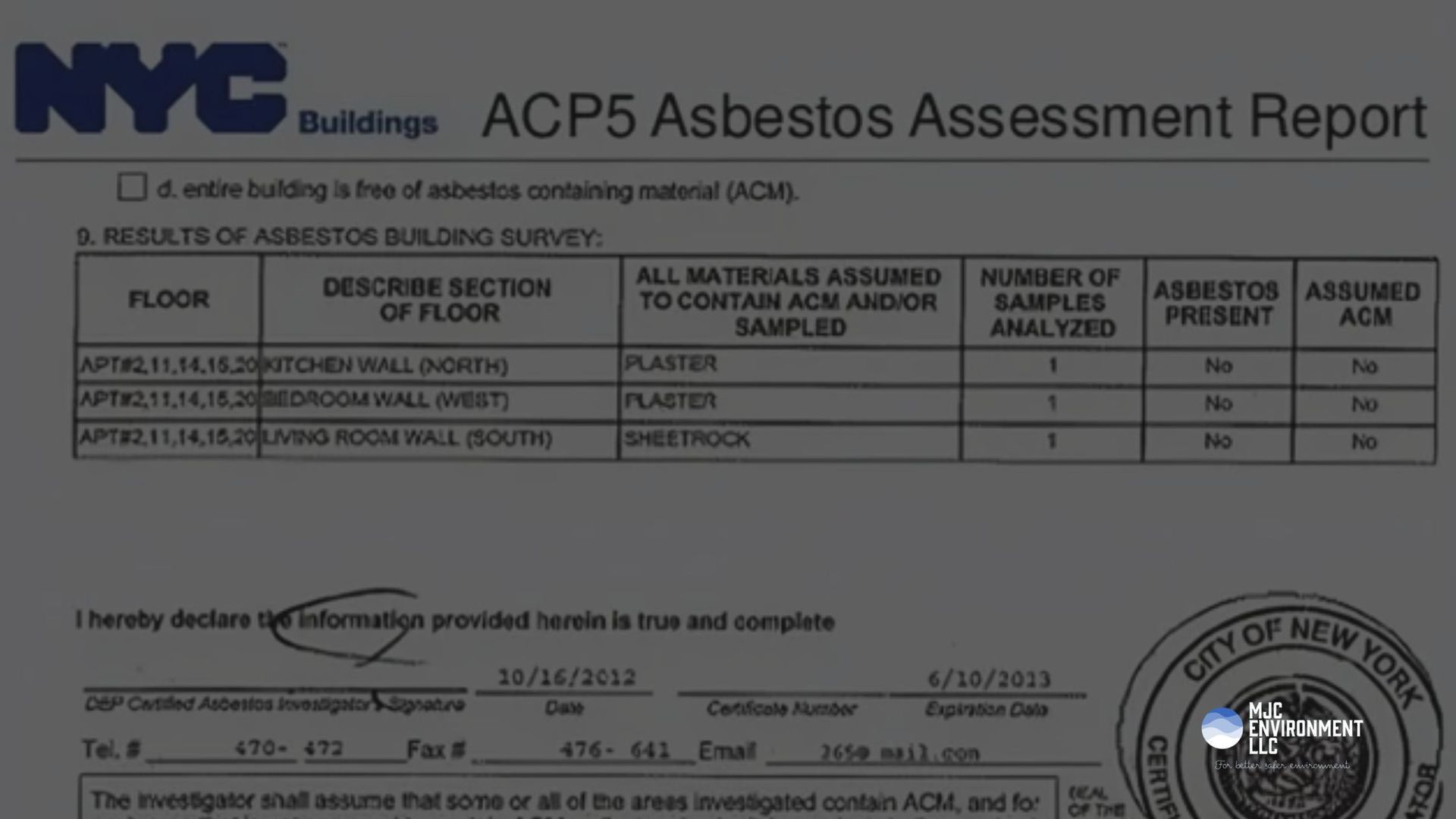
- Professional Testing: The only definitive way to confirm asbestos presence is through lab analysis of a sampled ceiling section. Professionals wear proper protective gear, wet the area to minimize dust, and send samples to certified labs.
- Homeowner Testing Kits: DIY asbestos testing kits are available but require cautious handling to avoid releasing asbestos fibers. Professional testing remains the safest and most reliable option.
Always avoid disturbing popcorn ceilings suspected of containing asbestos until testing is complete.
Health Risks and Symptoms of Asbestos Exposure
Inhaling asbestos fibers can lead to serious health problems, often manifesting decades after exposure, including:
- Early Symptoms: Shortness of breath, persistent dry cough, chest tightness, and chest pain.
- Long-Term Diseases: Asbestosis (lung scarring), lung cancer, and mesothelioma (a rare but aggressive cancer of lung lining).
- At-Risk Groups: Homeowners during renovations, construction or asbestos abatement workers, and anyone exposed to disturbed asbestos materials.
Asbestos fibers remain in the lungs indefinitely, increasing risks based on the duration and quantity of exposure.
How to Fix or Remove Asbestos Popcorn Ceilings Safely
Asbestos popcorn ceiling remediation should never be a DIY project. Improper handling releases dangerous fibers. Instead, follow these steps:
- Inspection and Testing: Hire certified asbestos professionals to test ceiling samples and assess the condition.
- Encapsulation: In some cases, if the ceiling is intact, professionals may apply a sealant to contain asbestos fibers without removal.
- Safe Removal: If damaged or during renovation, licensed abatement contractors use wet methods, containment barriers, negative air pressure, and proper disposal procedures.
- Disposal: Asbestos waste must be sealed in labeled containers and disposed of at approved facilities following strict regulations.
Professionals like MJC Environmental LLC specialize in asbestos testing and safe popcorn ceiling removal, ensuring compliance and protection for your home and family.
Why Choose MJC Environmental LLC?
MJC Environmental LLC provides trusted, certified asbestos inspection and abatement services. Their trained experts ensure:
- Accurate asbestos testing and analysis
- Safe and thorough popcorn ceiling removal
- Proper containment and disposal following EPA and local regulations
- Peace of mind protecting your health and property
Contact MJC Environmental LLC today to schedule a consultation and keep your home safe from asbestos hazards.
Frequently Asked Questions (FAQs)
Q1: Do all popcorn ceilings contain asbestos?
No. While many popcorn ceilings installed before the mid-1980s contain asbestos, newer ceilings generally do not.
Q2: Can I tell if my popcorn ceiling has asbestos just by looking?
No. Asbestos fibers are microscopic and cannot be identified visually. Professional lab testing is necessary.
Q3: Is asbestos dangerous if the popcorn ceiling is undisturbed?
Generally, asbestos in good condition poses low risk. The danger arises if the ceiling is damaged, crumbling, or disturbed.
Q4: Can I test popcorn ceiling asbestos myself?
Homeowner testing kits exist but require strict precautions. Professional testing is safer and more reliable.
Q5: What are the health risks of asbestos exposure?
Exposure can lead to lung diseases, including asbestosis, lung cancer, and mesothelioma, often years after inhalation.
Q6: How is asbestos popcorn ceiling removed safely?
Removal should only be done by licensed professionals using containment, wetting, and proper disposal methods.
Q7: What happens if I ignore asbestos in my popcorn ceiling?
Ignoring damaged asbestos ceilings risks releasing fibers that can harm occupants’ health.
Useful Resources for Homeowners
For more information on asbestos safety and regulations, consider visiting these authoritative sources:
- Environmental Protection Agency (EPA) on Asbestos: https://www.epa.gov/asbestos
- Centers for Disease Control and Prevention (CDC) Asbestos Information: https://www.cdc.gov/niosh/topics/asbestos/default.html
- Occupational Safety and Health Administration (OSHA) Asbestos Standards: https://www.osha.gov/asbestos
Protect your home and family by understanding the risks of asbestos popcorn ceilings and taking the right precautions. For trusted asbestos testing and removal, contact MJC Environmental LLC for expert service and peace of mind.