When is an ACP 5 Form Required in NYC?
An ACP 5 form is fundamentally required whenever you undertake renovation, alteration, modification, or demolition work in a building constructed before April 1, 1987, and that work necessitates a permit from the New York City Department of Buildings (DOB).
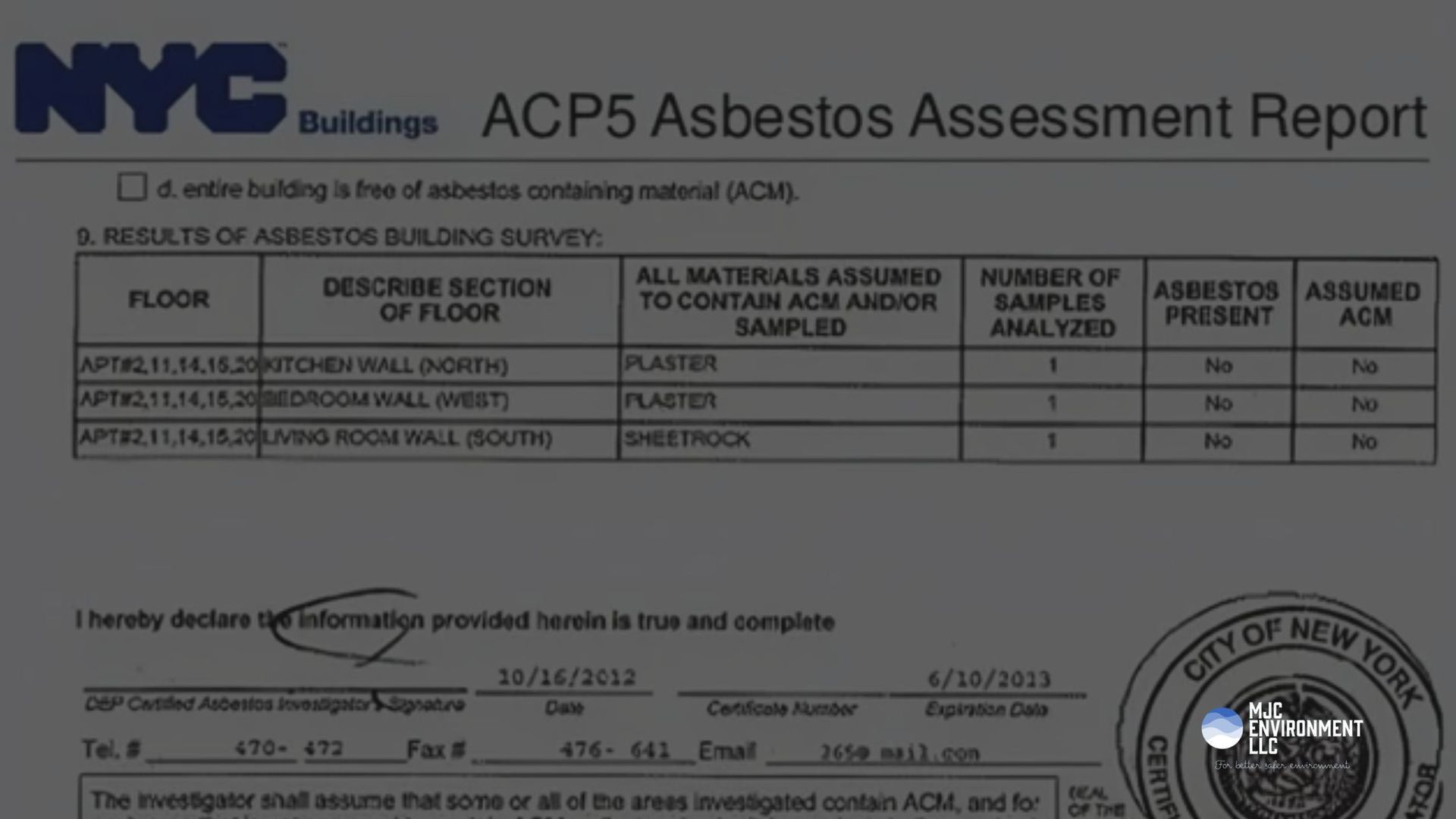
This core requirement applies to a broad spectrum of individuals and entities, including homeowners, contractors, developers, architects, and anyone else planning to disturb existing building materials in an older structure within the five boroughs. The overarching purpose of the ACP 5 is to formally declare that your proposed project will not disturb friable asbestos-containing materials (ACMs), or if ACMs are indeed present, that they will remain safely undisturbed throughout the scope of work.
Why Asbestos Regulations are Strict in NYC
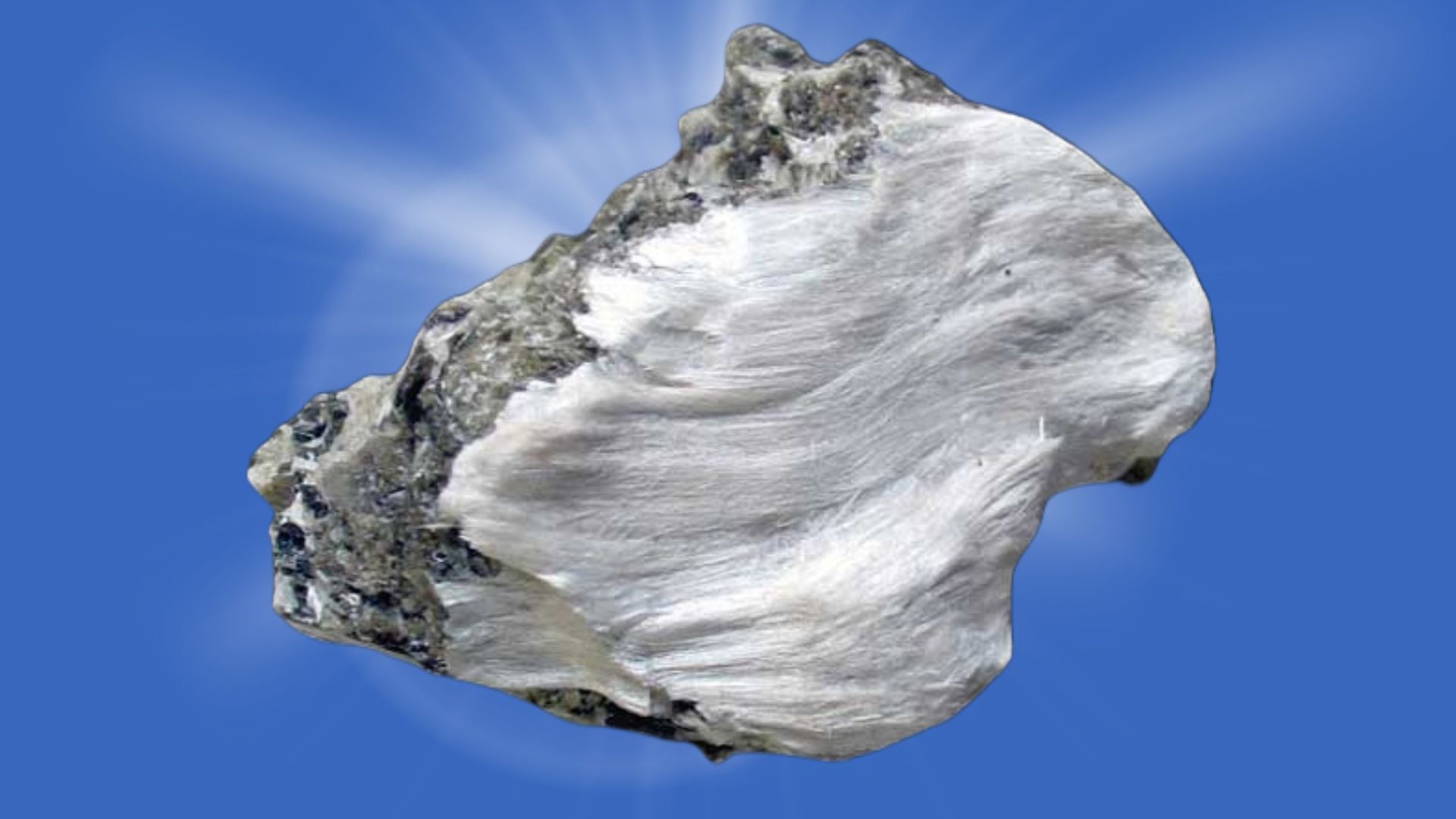
New York City's built environment boasts a rich history, with a significant portion of its structures predating 1987. This year is a critical demarcation because it generally marks the period when asbestos was widely used in construction due to its remarkable properties, such as fire resistance and insulation. However, it's now well-established that disturbing asbestos can release microscopic fibers into the air, leading to severe and often fatal health conditions like lung cancer, mesothelioma, and asbestosis.
To safeguard the health of construction workers, building occupants, and the general public, the New York City Department of Environmental Protection (DEP) and the Department of Buildings (DOB) have implemented stringent regulations. The ACP 5 form is a cornerstone of this regulatory framework, acting as a crucial preliminary step before many construction projects can even begin.
Key Scenarios Where an ACP 5 is Mandatory
Let's delve into the specific scenarios that most frequently trigger the need to file an ACP 5:
- Any Construction Project Requiring a DOB Permit in a Pre-1987 Building: This is the most pervasive trigger. If your project, regardless of its perceived size or complexity, requires a work permit from the NYC DOB, and the building in question was constructed before April 1, 1987, then an asbestos survey must be conducted. This survey will then dictate the necessity of an ACP 5. This includes a wide array of projects, from seemingly minor updates like plumbing or electrical system upgrades to more extensive structural changes or interior demolition.
- Renovations and Alterations of Existing Spaces: Even if you're not planning a full-scale demolition, many renovation and alteration projects in older buildings will necessitate an ACP 5. This includes, but is not limited to, replacing drywall, flooring (especially vinyl asbestos tile), ceiling tiles, insulation (like pipe lagging or attic insulation), plaster, or disturbing caulking around windows and doors. Any activity that involves breaking, cutting, drilling, or otherwise disturbing these types of materials within a pre-1987 structure can potentially release asbestos fibers.
- Partial or Full Demolition Work: All demolition projects, whether it's removing a single interior wall or an entire building, in structures built before April 1, 1987, unequivocally require an asbestos survey. Based on the survey findings, an ACP 5 form will be issued if no asbestos will be disturbed, or an ACP 7 form will be required if abatement of asbestos-containing materials is necessary prior to demolition.
- Projects Where Asbestos is Identified but Will Remain Undisturbed: It's important to note that the presence of asbestos in a building doesn't automatically mean it needs to be removed. If an asbestos survey identifies ACMs in your building, but your proposed scope of work explicitly avoids disturbing these materials, a DEP-certified asbestos investigator can issue an ACP 5 form. This document certifies that, given the project plan, the asbestos will remain safely encapsulated and undisturbed.
- Pre-Purchase or Due Diligence Asbestos Assessments: While not directly linked to obtaining a DOB permit for new construction work, an ACP 5 might be sought during real estate transactions involving older buildings. Savvy buyers or developers often request such assessments to understand potential asbestos liabilities for future renovations or redevelopment, ensuring a smoother and more informed transaction.
In essence, if your project involves physically interacting with or changing any existing building material in an NYC structure built before April 1, 1987, and you require a permit from the Department of Buildings, securing an ACP 5 form is a critical and legally mandated step. It's not merely a piece of paper; it's a fundamental element for ensuring compliance, safeguarding worker health, and protecting the wider public.
Navigating these regulations can be complex, and ensuring proper documentation is key.
We offer comprehensive
ACP 5 form services, providing the expertise and certified investigations needed to help you navigate these essential NYC environmental regulations efficiently.