ACP-5 Certificate NY Guide: The Complete Guide for Property Owners and Contractors
If you are planning a renovation, remodeling, or demolition project in New York City, there is a good chance you have come across the term ACP-5. It sounds technical, but once you understand what it means, the process becomes a lot less confusing. This guide breaks down everything you need to know about the ACP-5 certificate in simple, easy-to-follow terms.
What Is an ACP-5 Certificate?
An ACP-5 is an official Asbestos Certification and Report required by New York City before many construction permits are issued. The full form is called the Asbestos Assessment Report, and it is filed through the NYC Department of Environmental Protection's (DEP) system called ARTS — the Asbestos Reporting and Tracking System.
In plain language: before your contractor can start tearing down walls, floors, or ceilings, the city wants to know whether asbestos is present. A DEP-certified asbestos investigator visits your property, inspects the areas that will be disturbed, and then signs and files the ACP-5 form on your behalf.
The New York City Department of Buildings (DOB) will not issue certain work permits, especially full demolition permits — without a valid ACP-5 on file.
Why Does New York City Require an ACP-5?
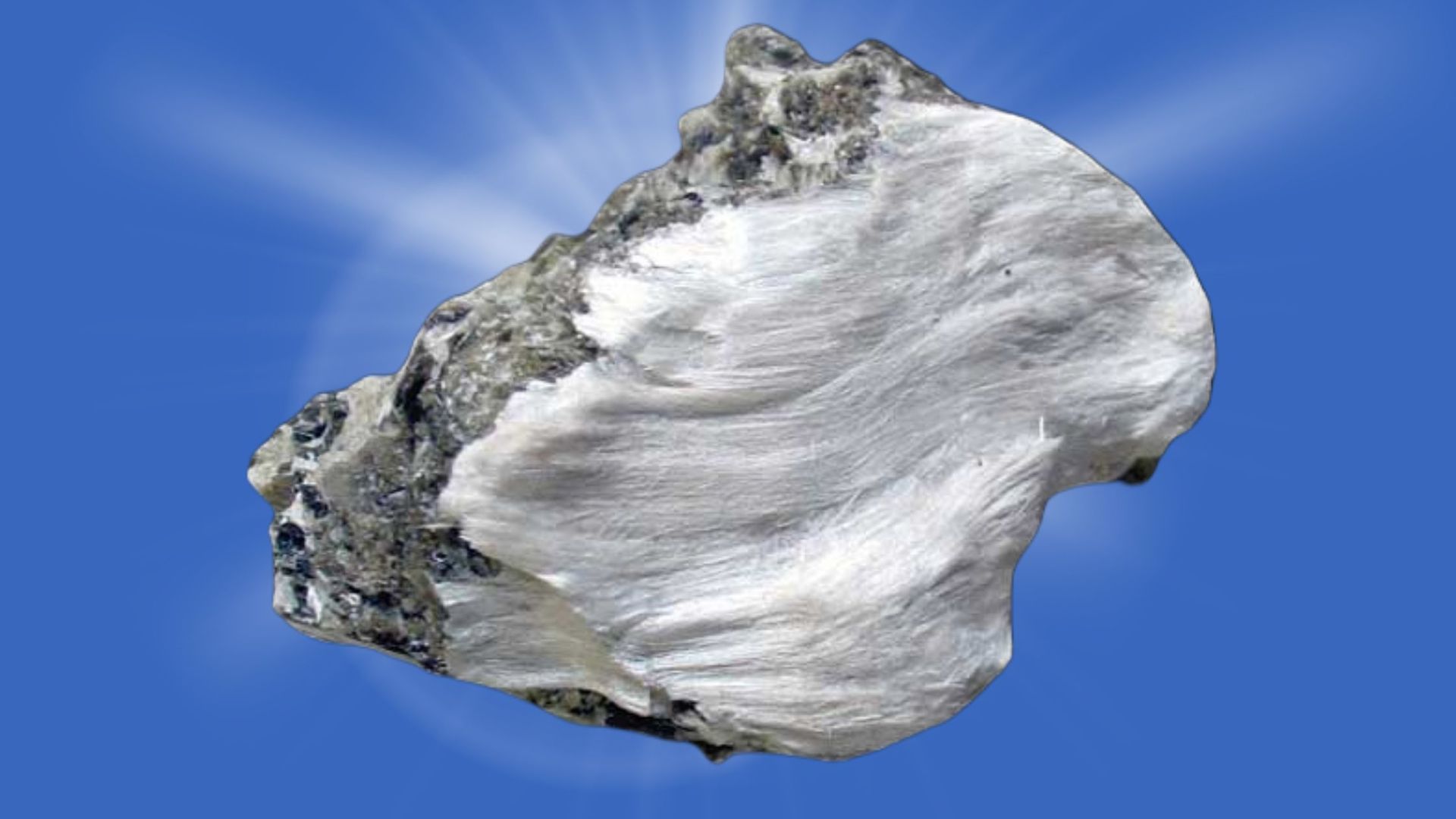
Asbestos was widely used in building materials from the 1930s all the way through the 1970s. It was added to insulation, floor tiles, ceiling tiles, pipe wrapping, roofing materials, and joint compounds because it was durable and fire-resistant.
The problem is that when asbestos-containing materials (ACMs) are disturbed — cut, drilled, demolished — tiny fibers get released into the air. Breathing those fibers can cause serious diseases including lung cancer and mesothelioma.
NYC's asbestos rules under Title 15 RCNY were put in place specifically to stop construction workers and building occupants from being unknowingly exposed. The ACP-5 process ensures that a trained expert checks the property before any work begins, so everyone stays safe.

Who Needs an ACP-5?
So, Who needs to file an ACP-5 Form? Well, you generally need an ACP-5 if you are:
- Pulling a construction, renovation, or alteration permit from the NYC DOB
- Planning a full building or partial demolition
- Gut-renovating an older apartment, co-op, or commercial space
- Doing work in a building built before the mid-1980s
- A contractor starting any project that disturbs walls, floors, or ceilings in an older NYC building
Even if you believe there is no asbestos in the building, the form is still required in most cases. The certified investigator needs to confirm that in writing.
What Does the ACP-5 Form Actually Certify?
The ACP-5 can certify one of several things depending on the inspection findings:
- No asbestos-containing material (ACM) is present in the work area.
- ACM is present but will not be disturbed by the proposed work.
- Minor amounts of ACM will be abated — meaning removed or encapsulated — within the thresholds allowed for a "minor project" (under 10 square feet or 25 linear feet).
If the asbestos found is above those thresholds, the project becomes a "major" asbestos project, which requires a different process and a licensed abatement contractor.
How the ACP-5 Inspection Process Works
Here is what you can expect when you hire a certified asbestos investigator for your ACP-5:
Step 1 — Initial Consultation
The inspector discusses your project scope, the areas being worked on, and any known history of the building materials. This helps them know exactly where to look.
Step 2 — On-Site Inspection
A licensed DEP-certified investigator visits the property and performs a thorough visual inspection of all areas affected by the planned work. They look for materials that are known to historically contain asbestos.
Step 3 — Material Sampling (If Needed)
If any suspect materials are found, the investigator collects small samples, which are sent to an accredited laboratory for analysis to confirm whether asbestos is actually present.
Step 4 — Filing the ACP-5 Form
If no ACMs are found (or if they fall within the minor project thresholds), the investigator prepares, signs, seals, and files the ACP-5 form with the DEP through the ARTS system. Your DOB permit application can then move forward.
At MJC Environment LLC, we handle every step of this process for you — from the initial consultation all the way through DEP filing. Learn more about our ACP-5 services here.
How Long Does an ACP-5 Take?
The timeline depends on a few factors:
- Inspection: Usually completed within 1–2 business days of scheduling
- Lab results (if sampling is required): Typically 24–72 hours for standard turnaround
- Filing with DEP: Once results are in, the form can be filed within the same day
Working with an experienced firm means there are no delays from paperwork errors or missed filing requirements. If your project is time-sensitive, ask your inspector about expedited turnaround options.
What Happens If You Skip the ACP-5?
Skipping or ignoring the ACP-5 requirement is a costly mistake. Here is what can happen:
- Stop-work orders on your construction project
- Fines and violations issued by the DOB or DEP
- Delayed permits, pushing back your entire project timeline
- Liability if workers or occupants are exposed to asbestos during construction
- Permit rejection — without the ACP-5, the DOB simply will not issue the permit for many project types
The cost of getting an ACP-5 done right is a small fraction of the fines and delays you would face by ignoring it.
Does Asbestos Have a Smell? Can You See It?
One of the most common misconceptions is that you can detect asbestos through your senses. You cannot. Asbestos fibers are microscopic and completely invisible to the naked eye. Asbestos does not have a smell either. This is exactly why a professional inspection is so important, you simply cannot rely on a visual check or gut feeling to know whether a material contains asbestos.
ACP-5 and Asbestos Inspections: What Is the Difference?
An ACP-5 is a specific form required for permit purposes. It is based on a formal asbestos inspection and investigation of the project area. If you want a broader understanding of all asbestos-containing materials in a building, not just the area being renovated — you would want a full asbestos inspection and investigation.
For projects that do involve asbestos abatement, asbestos air monitoring is often required during and after the removal work to confirm that airborne fiber levels are safe. MJC also provides asbestos air monitoring services to keep your project compliant throughout.
Frequently Asked Questions About ACP-5 in New York
Q: How much does an ACP-5 inspection cost in NYC? The cost varies depending on the size of the property, the number of rooms being inspected, and whether lab sampling is needed. Contact MJC Environment LLC for a free estimate specific to your project.
Q: Can a contractor file the ACP-5 on my behalf? No. The ACP-5 must be completed, signed, and sealed by a DEP-certified asbestos investigator. A general contractor cannot file it themselves.
Q: Is an ACP-5 required for small apartment renovations? In most cases, yes — if you are pulling a permit from the DOB for work that disturbs floors, ceilings, or walls in a building with potential asbestos-containing materials, an ACP-5 will be required.
Q: What if asbestos is found during the inspection? If asbestos is found and will be disturbed, it must be abated by a licensed abatement contractor before your permit work begins. The ACP-5 would then reflect the abatement plan rather than a "no ACM present" conclusion.
Q: How long is an ACP-5 valid? An ACP-5 is tied to a specific project and permit application. If your scope of work changes significantly, or if the permit expires and you re-apply, you may need a new ACP-5.
Q: Do I need an ACP-5 for new construction? Generally, no. ACP-5 is primarily required for renovation, alteration, and demolition work on existing buildings where asbestos-containing materials may be present.
Q: What is the ARTS system? ARTS stands for Asbestos Reporting and Tracking System. It is the NYC DEP's online platform where certified investigators file ACP-5 forms electronically. Once filed, the DOB can see the certification and proceed with permit issuance.
Q: What buildings are most likely to contain asbestos? Buildings constructed before the mid-1980s are the highest risk. Common materials include floor and ceiling tiles, pipe insulation, roofing shingles, joint compounds, and textured coatings. Older buildings in Manhattan, Brooklyn, the Bronx, Queens, and Staten Island frequently contain some form of ACM.
Ready to Get Your ACP-5 Done in New York?
If you have a renovation or demolition project coming up, do not wait until the last minute. Getting your ACP-5 done early keeps your project on schedule and protects everyone involved — your workers, your tenants, and yourself.
MJC Environment LLC is a DEP-certified environmental consulting firm serving New York and New Jersey. We handle ACP-5 inspections, filing, and all related asbestos and environmental services with speed, accuracy, and full compliance.
👉 Get your free estimate for ACP-5 services today
You can also explore our full range of environmental inspection services or read more helpful guides on our blog.
Call us: (347) 481-0726 Email: info@mjcenvironment.com